
Introduction to the ASC Framework
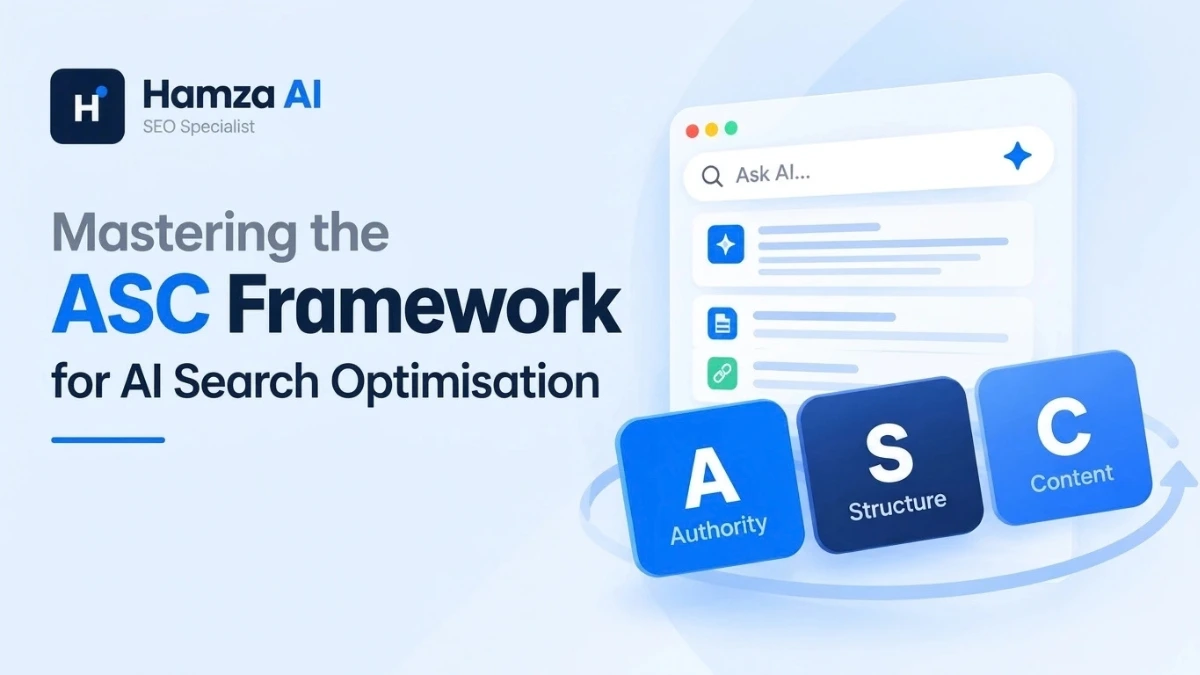
The ASC Framework stands as a vital component in the realm of AI search optimization, serving a dual purpose of enhancing user engagement and refining the effectiveness of search behaviors across various AI technologies. The acronym ASC represents Adaptability, Scalability, and Contextuality, key attributes that enable AI systems to become more intuitive and responsive to user needs.
In today’s digital landscape, where the amount of available data is growing exponentially, the importance of a robust framework like ASC cannot be overstated. Adaptability focuses on the ability of AI algorithms to learn and adjust in real-time based on user interactions and patterns, ensuring more relevant search results. This dynamism is critical as users expect search systems to not only understand their demands, but also to evolve as those demands change.
Scalability complements this by describing the framework’s capacity to operate efficiently across diverse datasets and workloads without a decline in performance. As organizations scale their data capabilities, a search optimization framework that supports growth is essential. Finally, Contextuality emphasizes the role of situational awareness in search processes. By incorporating context, AI systems can deliver more meaningful outcomes that resonate with users, tailoring responses based on specific circumstances or preferences.
The ASC Framework’s relevance extends to various AI technologies, from natural language processing systems and chatbots to advanced search engines integrated with machine learning algorithms. This adaptability not only transforms the user experience but also elevates the overall potential of AI applications. The integration of the ASC principles positions organizations to harness their AI technologies effectively, leading to improved user satisfaction and engagement, which are paramount in today’s competitive digital environment.
Understanding Audience Needs
To effectively optimize search results using the ASC Framework, it is crucial to first identify and understand the needs of your audience. Knowing what your users are searching for allows content creators and marketers to provide valuable information that resonates with their interests and requirements. Understanding audience needs involves extensive research and insight gathering, often encompassing a variety of methods.
One effective method is conducting surveys and interviews, which can yield direct insights from users about their preferences and behaviors. Surveys can be distributed online, allowing a larger reach, while interviews provide a more personal touch, enabling deeper exploration of specific user motivations or challenges. By aligning the questions with key objectives, one can gather valuable data that informs the optimization process.
Additionally, analyzing existing data from website analytics can shed light on user behavior patterns. Metrics such as page views, bounce rates, and time spent on site can indicate what topics engage users and what search terms lead them to the site. Combining quantitative data with qualitative insights from user feedback creates a holistic view of audience needs.
Social media listening is another useful technique for optimizing understanding of audience preferences. By monitoring discussions, comments, and questions related to your niche, you can gain insight into trending topics, common frustrations, and information gaps in your content or product offerings. This active engagement with the audience can inform future content decisions and help tailor marketing strategies to fit user demands.
In conclusion, mastering the audience research process lays the groundwork for utilizing the ASC Framework effectively. By recognizing specific user needs through various research methodologies, one can significantly enhance the relevance and performance of search optimization efforts.
Crafting Semantic Content
The ASC Framework emphasizes the importance of semantic content as a cornerstone for effective AI search optimization. In today’s digital landscape, where users seek precise information through increasingly sophisticated queries, the ability to create content that aligns with user intent is paramount. Semantic content involves the use of language that is naturally aligned with how users formulate their questions, relying on an understanding of context, themes, and linguistic nuances.
To effectively craft semantic content, it is essential to harness natural language processing (NLP) techniques. These techniques enable content creators to identify patterns and relationships in language, ensuring that the materials produced are relevant and informative. By focusing on concepts rather than mere keywords, content can be tailored to better align with user queries. This not only enhances the relevance of the information provided but also boosts its visibility in search results.
Creating semantic content necessitates a thorough understanding of the target audience and their specific needs. Conducting keyword research is vital, but it should be complemented by exploring synonyms and related terms that accurately reflect user intents. Incorporating various expressions and comprehensively covering topics helps to create a rich, multi-dimensional content piece that satisfies diverse search queries. Leveraging tools that analyze semantic search trends can also aid in identifying the language users utilize, thus allowing for the creation of content that speaks directly to their preferences.
Moreover, structuring content with appropriate headings, bullet points, and engaging formatting contributes to a better user experience. This not only aids comprehension but also helps search engines to understand the relevance and context of the content more effectively. Each piece of content should answer potential questions, provide insightful information, and invite reader engagement, fostering an environment where users feel satisfied with their search experience.
By emphasizing the creation of semantic content within the ASC Framework, content developers position themselves to enhance visibility while meeting the evolving needs of users in a digital ecosystem increasingly dominated by AI-driven search technologies.
Utilizing Structured Data
Structured data is an essential component of the ASC (Algorithmic Search Optimization) Framework, offering a systematic way to organize and present information to AI systems. By applying structured data formats, such as Schema.org markup, website owners and content creators can effectively communicate the context and meaning of their content. This aids AI algorithms in categorizing information accurately, thus improving search visibility and relevance.
When implementing structured data, the first step is to identify the types of content you wish to mark up. Common examples include articles, products, events, and local businesses. Each type of content may require specific properties to be included in the structured data format. For instance, an article might contain the title, author, date, and main subject, all formatted to align with standards accepted by search engines.
Using tools such as Google’s Structured Data Markup Helper can simplify the implementation process. This tool enables users to highlight aspects of their webpage and generate the necessary markup in real-time. Additionally, it is crucial to validate the structured data to ensure compliance with the prescribed syntax and formats, which can be accomplished via the Structured Data Testing Tool provided by Google.
Furthermore, structuring your data not only helps AI systems but also enhances the user experience. Rich snippets, which are generated from structured data, provide users with better context before clicking on a search result, leading to improved click-through rates. In effect, utilizing structured data correctly aligns with the principles of the ASC Framework, aiding in establishing a structured approach to AI search optimization.
Incorporating structured data is an ongoing process; regular reviews and updates are recommended as content evolves. Monitoring search engine results and ensuring structured data remains relevant will solidify your content’s position within search algorithms. This proactive approach will enable content creators to maximize the potential of the ASC Framework.
Optimizing Metadata and Tags
In the realm of AI search optimization, particularly within the ASC (Adaptive Search Content) Framework, the optimization of metadata and tags is paramount for enhancing the visibility and relevance of content. Metadata is essentially the information that describes various aspects of the digital content, while tags serve as labels that categorize and organize this content. Both elements play a critical role in determining how well a piece of content ranks in search results.
One of the best practices for optimizing metadata involves the creation of descriptive, keyword-rich titles. A well-crafted title not only attracts users but also provides search engines with essential context regarding the page’s content. It is advisable to incorporate relevant keywords naturally within the title, ensuring that it reflects the content accurately. Striking a balance between interest and clarity is key, as overly complicated titles may deter potential readers.
In addition to titles, the use of effective tags is critical for content organization and searchability. Tags should be carefully selected based on the main themes and concepts of the content, aiding both the search engines and users in navigating through the information with ease. Similar to titles, tags should include relevant keywords that can help in indexing the content more effectively in search results.
Furthermore, metadata enhancements should extend into descriptions and other attributes. A well-structured meta description acts as a summary that appears in search results underneath the title. This description should be compelling yet informative, as it serves to engage potential readers, encouraging them to click through to the content. Regularly reviewing and updating metadata and tags based on changing trends or new keyword research can significantly bolster search visibility.
By adhering to these best practices for optimizing metadata and tags within the ASC Framework, content creators can foster an environment that not only improves searchability but also enhances user engagement, ultimately driving better results in the competitive landscape of digital content.
Creating a Resonant User Experience
Designing a user experience (UX) that resonates with the audience is a critical component of optimizing AI-driven search systems. To achieve this, it is essential to understand the preferences and behaviors of the target users. Research methodologies such as user interviews, surveys, and analytics can provide valuable insights into what users expect from their interactions with AI search functionalities.
Feedback mechanisms play a crucial role in understanding user satisfaction and areas needing improvement. Regularly soliciting feedback through various channels enables designers to stay attuned to user preferences and pain points. Usability testing should be an integral part of the design process. This approach allows designers to observe users’ interactions with the AI search interface in real-time, identifying challenges they face and collecting qualitative data that can inform design modifications.
Iterative design is an effective strategy for enhancing user experience. This approach involves developing a prototype, testing it with real users, and making necessary adjustments based on observed behavior and collected feedback. By embracing an iterative process, designers can create a more intuitive interface that aligns closely with user expectations, leading to a more effective AI search experience.
Moreover, understanding the emotional impact of interactions is equally important. Designers should aim to create experiences that foster positive feelings, encouraging users to engage more deeply with the AI search. This can be accomplished by ensuring that the interface is easy to navigate, visually appealing, and responsive to user needs. When users feel understood and catered to by the system, their trust in the AI search capabilities increases, resulting in better overall satisfaction.
In conclusion, the design of user experiences in AI search optimization should focus on audience preferences through active user engagement, continuous feedback, and iterative design. By prioritizing usability and emotional connection, designers can create effective interactions that resonate with users and enhance their overall experience with AI technology.
Continuous Improvement through Analytics
Analytics plays a crucial role in the ASC (Attract, Serve, Convert) Framework, specifically in the continuous improvement of content and search strategies. By leveraging data insights, businesses can refine their approach to meet user needs and preferences more effectively. The integration of analytics within this framework enables organizations to gauge the effectiveness of their content and identify areas for enhancement.
User engagement metrics such as click-through rates, bounce rates, and average time spent on site are essential indicators of how well content resonates with the target audience. These metrics provide valuable feedback, allowing organizations to understand which topics and formats engage users the most. Analyzing this data reveals patterns and trends that can inform future content creation efforts, ensuring that content remains relevant and valuable.
Moreover, utilizing analytics tools helps to track the performance of search strategies. For instance, understanding how keywords perform over time can guide content adjustment based on user search behavior. When businesses analyze search queries and the associated results, they can uncover gaps in their content offerings and adjust accordingly. This proactive approach not only improves user satisfaction but also enhances overall visibility in search engine results.
Continuous improvement through analytics is not a one-time effort but an ongoing process. Regular reviews of the analytics data should be conducted to refine strategies continually. By fostering a culture of data-driven decision-making, organizations can remain responsive to changes in user behavior and preferences, ultimately driving better performance in the ASC Framework. In conclusion, the effective use of analytics facilitates a dynamic and responsive content strategy, ensuring businesses stay aligned with their audience’s evolving needs.
Collaborating Across Teams
Successful implementation of the ASC Framework for AI search optimization requires a concerted effort from various teams within an organization. Collaboration among marketing, content creators, and data scientists is essential to achieve a comprehensive understanding of both user intent and technical requirements. Each team possesses unique skills and perspectives that contribute to the framework’s effectiveness, and harnessing these diverse capabilities can lead to more innovative solutions and improved results.
One effective strategy for fostering collaboration is to establish cross-functional teams that include members from each relevant department. By bringing together marketing professionals, content creators, and data scientists, companies can ensure that all aspects of the ASC Framework are considered from the outset. These teams can hold regular meetings to discuss ongoing projects, share insights, and address challenges collectively. This collaborative approach not only enhances communication but also promotes a culture of shared responsibility for the project’s success.
Furthermore, the use of collaborative tools and platforms can facilitate seamless communication and coordination among teams. Project management software, shared document editing, and communication applications can help streamline workflows and keep everyone aligned on goals and timelines. Additionally, incorporating feedback loops into the process allows team members to provide input on each other’s work, leading to continuous improvement and refinement of strategies.
Training sessions and workshops can also be beneficial in enhancing understanding among team members. By educating marketing and content teams about the technical aspects of AI search optimization, as well as familiarizing data scientists with marketing goals and content strategies, all teams can work more effectively towards common objectives. Ultimately, collaboration among diverse teams not only ensures the successful implementation of the ASC Framework but also fosters an environment conducive to innovation and continuous growth.
Future Trends in AI Search Optimization
The landscape of AI search optimization is rapidly evolving, with several key trends expected to shape its future. As technology advances, the integration of artificial intelligence into search frameworks is anticipated to become more sophisticated, with an emphasis on contextual understanding and semantic search. This evolution is likely to enhance how search engines interpret user queries, leading to more relevant and personalized search results.
One significant trend is the increasing deployment of natural language processing (NLP) technologies. With improvements in NLP, AI systems will better grasp the nuances of human language, enabling search engines to interpret queries with greater accuracy. This advancement could lead to a shift in how content creators approach SEO, as they may need to focus more on conversational keywords and phrases that align with the way users naturally communicate.
Moreover, the role of frameworks like ASC in AI search optimization is expected to expand. As businesses and content creators recognize the importance of optimizing for AI-driven algorithms, frameworks that facilitate structured data and enhance content visibility will gain traction. By adopting these advanced frameworks early, organizations can position themselves competitively in an increasingly crowded digital marketplace.
Furthermore, the incorporation of machine learning and data analytics will likely revolutionize search optimization strategies. AI algorithms will continue to learn from vast amounts of search data, allowing for more predictive capabilities. This means that content creators who are attuned to emerging analytics trends can tailor their approaches to not just meet current demands but to anticipate future shifts in user behavior.
Ultimately, staying ahead of trends in AI search optimization is crucial for content creators and businesses alike. By proactively adapting to technological advancements and leveraging frameworks like ASC, organizations can enhance their search visibility, attract targeted audiences, and drive engagement in an ever-evolving digital landscape.